

'/%3E%3Cpath%20fill='%23b2b2b2'%20d='M241%20382q0%2016%2017%2026%2017%2011%2042%2011t42-11q16-11%2017-26V269H241'/%3E%3Cpath%20fill='%239f7e00'%20d='M241%20379q0%2014%208%2023%209%209%2021%209%2014%200%2021-9%209-9%209-23V269h-59'/%3E%3Cpath%20d='M241%20339v-70h59v110q0%2014-9%2023l-6%205v-68h-15v72q-8%200-14-4v-68zm59%2040c0%2022%2015%2032%2029%2032%2021%200%2030-18%2030-32v-40h-59'/%3E%3Cpath%20fill='%239f7e00'%20d='M266%20277v5h2v12h-3v-5h2v-5h-9v5h2v5h-4v9h3v18h-5v10h34v-10h-5v-18h3v-9h-4v-5h2v-5h-9v5h2v5h-3v-12h2v-5zm42%20101q0%2010%206%2017%206%206%2015%207%2010-1%2016-7%206-7%206-17v-29h-43'/%3E%3Ccircle%20fill='%230044ad'%20cx='329.5'%20cy='372'%20r='6'/%3E%3Cellipse%20fill='%230044ad'%20cx='300'%20cy='340'%20rx='16'%20ry='21'/%3E%3C/svg%3E)

Fallopian Tubes Evaluation
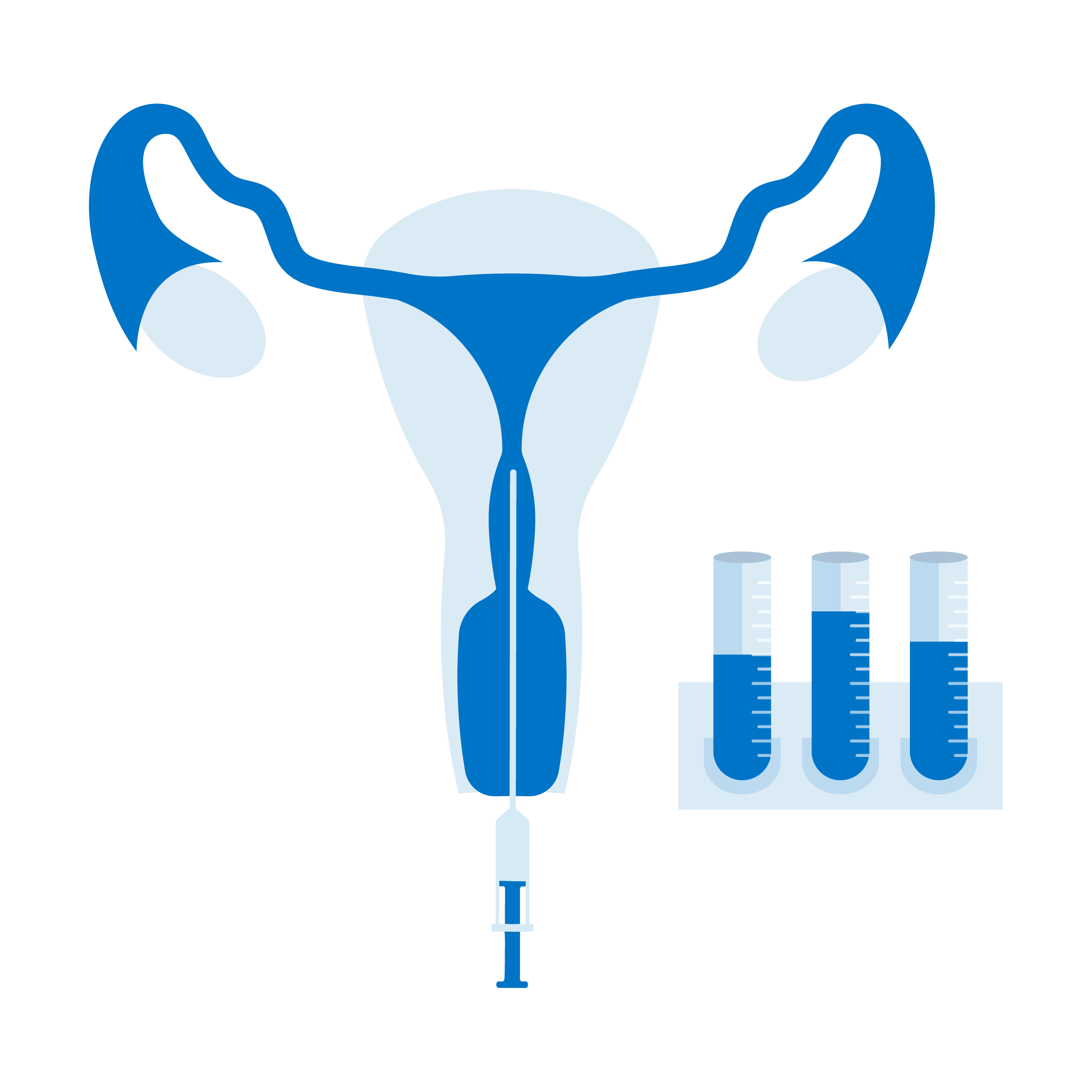
Fallopian tubes evaluation is a series of diagnostic tests and procedures used to assess the health and patency (openness) of the fallopian tubes. The fallopian tubes play a crucial role in reproduction as they are the pathways through which the eggs travel from the ovaries to the uterus. Blockages or damage to these tubes can prevent fertilization and are a common cause of infertility.
Why is Fallopian Tubes Evaluation Important?
Evaluating the fallopian tubes is essential for women who are experiencing difficulties conceiving or who have had recurrent miscarriages. Identifying any blockages, scarring, or abnormalities in the fallopian tubes can help healthcare providers determine the best course of treatment.
Common Reasons for Fallopian Tubes Evaluation
+ Benefits: HSG provides a clear view of the fallopian tubes’ structure and can detect blockages, scarring, or other abnormalities.
+ Considerations: Some women may experience discomfort or cramping during the procedure, and there is a small risk of infection.
+ Benefits: SHG is non-invasive and can help identify blockages or structural issues in the fallopian tubes and uterus.
+ Considerations: It is generally well-tolerated, though some women may experience mild cramping.
+ Benefits: Laparoscopy provides the most detailed view of the fallopian tubes and can identify and sometimes treat conditions like endometriosis or adhesions.
+ Considerations: It is a surgical procedure, requiring anesthesia, with associated risks such as infection, bleeding, or injury to surrounding organs.
+ Benefits: A positive result can indicate previous chlamydia infection, which may have caused tubal damage, warranting further investigation.
+ Considerations: This test does not directly visualize the tubes but provides an indirect indication of possible tubal damage.
Methods of Fallopian Tubes Evaluation
Methods of Fallopian Tubes Evaluation
+ Benefits: HSG provides a clear view of the fallopian tubes’ structure and can detect blockages, scarring, or other abnormalities.
+ Considerations: Some women may experience discomfort or cramping during the procedure, and there is a small risk of infection.
+ Benefits: SHG is non-invasive and can help identify blockages or structural issues in the fallopian tubes and uterus.
+ Considerations: It is generally well-tolerated, though some women may experience mild cramping.
+ Benefits: Laparoscopy provides the most detailed view of the fallopian tubes and can identify and sometimes treat conditions like endometriosis or adhesions.
+ Considerations: It is a surgical procedure, requiring anesthesia, with associated risks such as infection, bleeding, or injury to surrounding organs.
+ Benefits: A positive result can indicate previous chlamydia infection, which may have caused tubal damage, warranting further investigation.
+ Considerations: This test does not directly visualize the tubes but provides an indirect indication of possible tubal damage.

What to Expect During a Fallopian Tubes Evaluation?
Preparation
During the Procedure
After the Procedure
Fallopian tubes evaluation is a critical step in diagnosing and treating infertility. By assessing the health and patency of the fallopian tubes, healthcare providers can better understand the underlying causes of fertility issues and tailor treatment plans to help achieve a successful pregnancy. If you have concerns about your reproductive health or are struggling to conceive, talk to your healthcare provider about whether fallopian tubes evaluation is appropriate for you.
Save 35% on Fertility Testing
Save 35% on Fertility Testing
If you’ve been wondering why it hasn’t happened yet, testing can provide the clarity you need. For a limited time, Procreate Fertility Center is offering 35% off our fertility testing package — helping you take the first step with confidence.
Fertility testing helps identify what may be affecting your ability to conceive and can guide the best next steps — whether that includes lifestyle support, fertility treatment, or IVF.
Ready to Take the Next Step?
Understanding your fertility health is the first step toward achieving your dream of parenthood. Let us provide you with the answers and guidance you need.